Jan 21, 2026
Junk Removal Software for Business Operations, Estimates, Routing & Dispatch
Learn how software built specifically for junk removal business operations handles estimates, routing, dispatching, scheduling, and payments in one system.
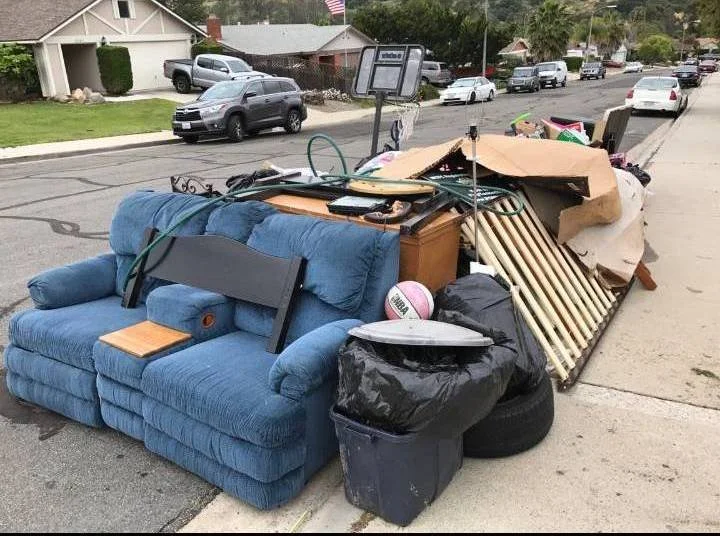
Software Specifically for Junk Removal Business Operations, Estimates, Routing, and Dispatching
TL;DR
Software built specifically for junk removal business operations should handle estimates, routing, dispatching, scheduling, invoicing, and customer management in one system. The right platform helps you price jobs quickly, send crews efficiently, reduce drive time, track work in the field, and collect payment without delays. This guide explains how junk removal operations software works, what features matter most, and how to evaluate options, with practical examples from modern platforms such as Tedious.
What This Guide Covers
What junk removal operations software actually does
How estimates, routing, and dispatching work together
Core features that matter in day-to-day operations
How to choose software based on business size
Common questions junk removal owners ask
What Is Software Specifically for Junk Removal Business Operations?
Software designed specifically for junk removal business operations manages the full job lifecycle in one place.
Instead of handling estimates in one app, scheduling in another, and invoices somewhere else, everything runs through a single system.
Most platforms include:
Estimate and quote creation
Scheduling and dispatch
Routing and crew coordination
Job tracking
Invoicing and payments
Customer records and communication
Some newer platforms also reduce manual work by assisting with customer responses and follow-ups during busy days.
Why Junk Removal Businesses Need Specialized Software
Junk removal operations have requirements that general business software does not handle well.
These include:
Pricing that varies by volume, labor, or disposal fees
Same-day or short-notice jobs
On-site estimates
Multiple stops per route
Crews working in the field most of the day
Software built specifically for junk removal reflects these realities and helps keep operations organized as job volume increases.
Core Features to Look For in Junk Removal Operations Software
Estimates and Quoting
Estimates are often created on-site and under time pressure.
Good estimating tools allow you to:
Build estimates from a phone or tablet
Add line items for labor, volume, or disposal
Adjust pricing quickly
Send estimates by text or email
Let customers approve without follow-up calls
Clear estimates and fast delivery improve close rates.
Scheduling and Dispatching
Scheduling becomes more complex as daily job volume increases.
Strong scheduling and dispatch tools include:
A visual calendar
Crew assignment
Job status tracking
Dispatch updates
Easy rescheduling when jobs run long
Dispatching should support quick changes without disrupting the entire day.
Routing and Map Optimization
Routing directly affects fuel costs and the number of jobs completed per day.
Routing features typically include:
Map-based job views
Optimized routes for multiple stops
Turn-by-turn navigation
Real-time location visibility
Efficient routing helps crews spend more time on jobs and less time driving.
Job Management in the Field
Once a job is underway, field execution matters.
Job management tools often include:
Job details and notes
Before-and-after photos
Checklists
Status updates
Internal crew communication
These features help maintain consistency and reduce missed steps.
Invoicing and Payments
Delays in invoicing often lead to delayed payments.
The best systems support:
One-click invoice creation
Online card payments
Automatic invoice reminders
Payment tracking
Faster invoicing usually results in faster payment.
Customer Management and Communication
Customer communication can take up a large portion of an owner’s time.
Most junk removal platforms support:
Booking confirmations
Appointment reminders
Quote follow-ups
Review requests
Some systems, including Tedious, also help respond to common customer questions automatically so owners and crews can stay focused on jobs.
How These Features Work Together in a Typical Day
Step 1: A Customer Requests an Estimate
A customer submits a request online or by text. The request is logged automatically.
Step 2: An Estimate Is Created
An estimate is built on-site and sent for approval.
Step 3: The Job Is Scheduled and Dispatched
Once approved, the job is scheduled and assigned to a crew.
Step 4: Routes Are Planned
Jobs are grouped to reduce drive time.
Step 5: The Job Is Completed
Crews track progress, upload photos, and mark the job complete.
Step 6: The Invoice Is Sent and Paid
An invoice is generated and payment is collected.
This workflow reduces delays and keeps operations predictable.
Choosing the Right Software for Your Junk Removal Business
Solo Operators
Focus on:
Mobile estimating
Simple scheduling
Fast invoicing
Tools that reduce follow-up work
Growing Teams
Look for:
Dispatch tools
Route planning
Job tracking
Customer management
High-Volume or Commercial Operations
You may need:
Advanced scheduling
Multiple crews and permissions
Detailed reporting
Flexible pricing logic
Common Mistakes to Avoid
Using general business software not designed for junk removal
Managing estimates, routing, and invoicing in separate tools
Ignoring routing efficiency
Choosing software that cannot support growth
Paying for features that do not match your workflow
Frequently Asked Questions
What is software specifically for junk removal business operations?
It is software designed to manage estimates, scheduling, routing, dispatching, job tracking, invoicing, and customer communication in one system.
Can junk removal software handle routing and dispatching?
Yes. Most purpose-built platforms include map-based routing and crew dispatch features.
Can crews create estimates in the field?
Yes. Mobile estimating is a core feature of junk removal operations software.
Is this type of software worth the cost?
For most businesses, time savings, improved routing, faster payments, and better organization justify the cost.
Can this software scale as my business grows?
Yes, if the platform supports multiple crews, dispatching, and reporting from the beginning.
Final Thoughts
Software specifically for junk removal business operations, estimates, routing, and dispatching helps owners stay organized and run more efficient days.
Whether you choose a traditional field service platform or a newer system like Tedious that focuses on reducing manual communication and operational friction, the objective is the same: clear workflows, better scheduling, and consistent execution.